Why 2K frames and six-second clips
Sharp enough to cut with, short enough to judge at a glance. The reasoning behind the two numbers that shape every project.
October 2, 2026 · 4 min read
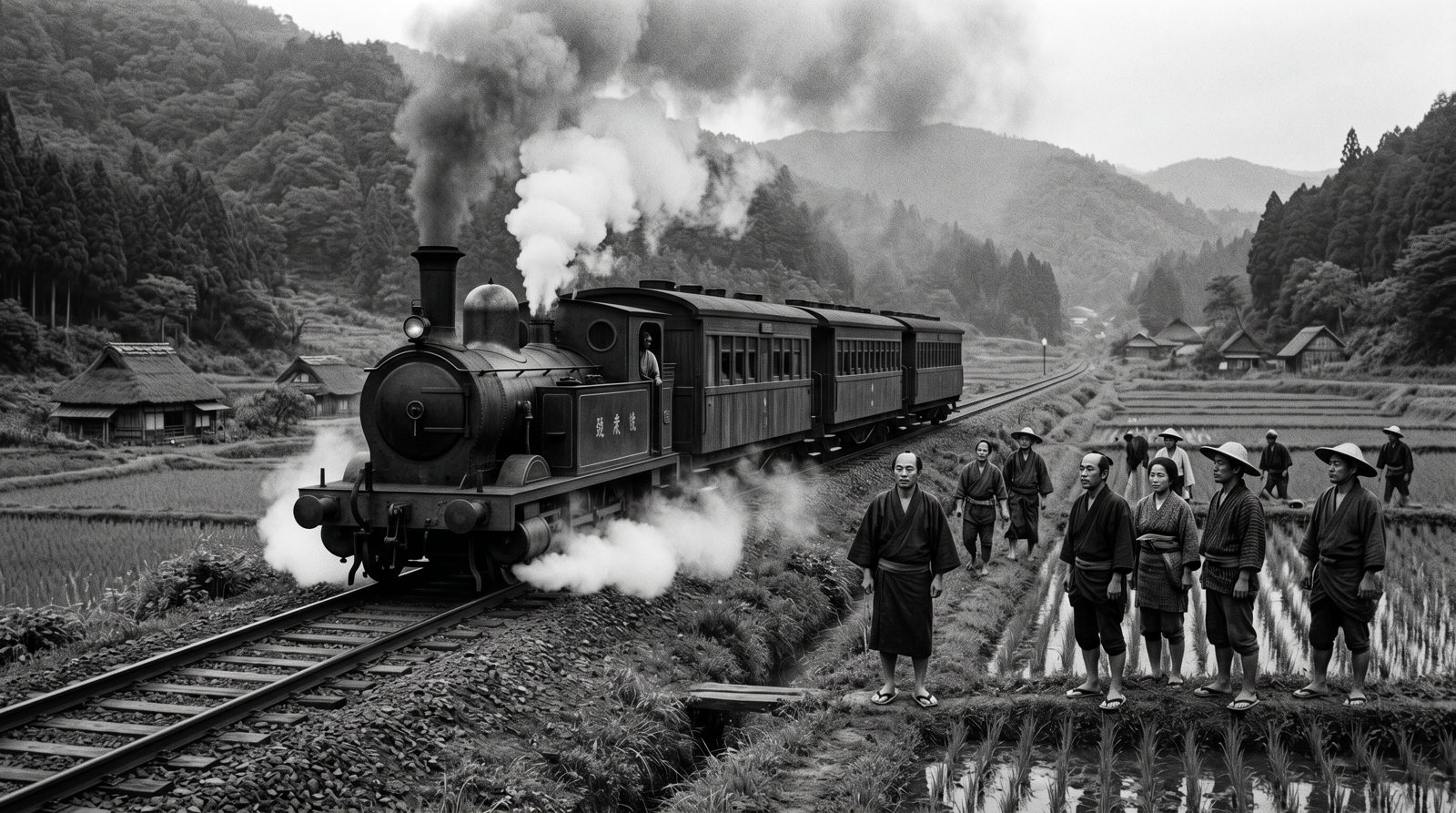
Two numbers shape every Video Essay Director project: frames are 2K, and clips are six seconds. Both were chosen around how a documentary is actually cut.
Why 2K frames
A 2K still holds up in a 1080p timeline with room to spare. That headroom matters: editors push in, reframe, and pan across stills all the time. A frame that is only just big enough falls apart the moment you move it.
2K is also fast enough to review in bulk. A one-hour film can need hundreds of frames, and you need to be able to look at a contact sheet and decide quickly.
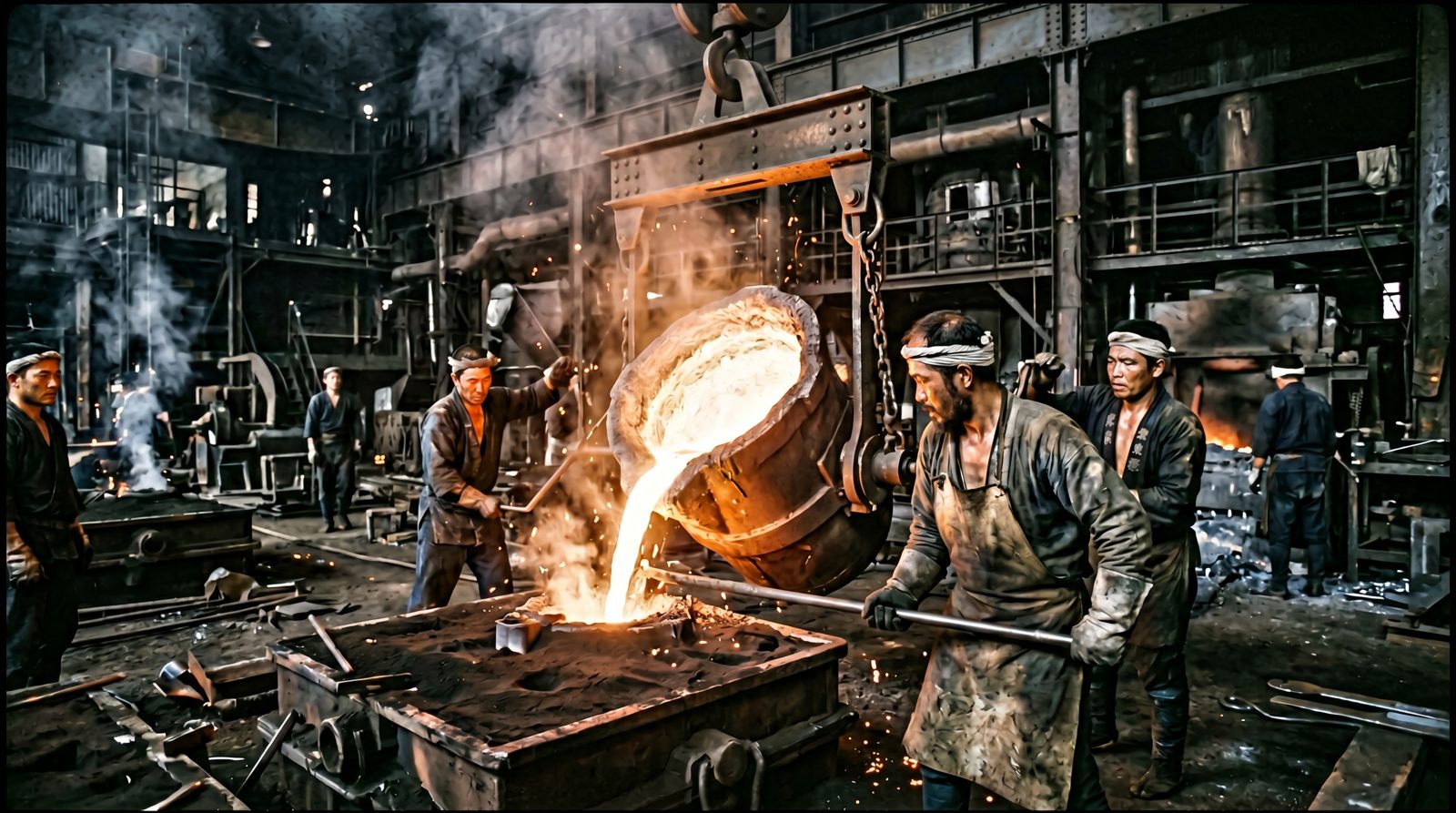
Why six seconds
In narrated history films, most shots sit on screen for a few seconds before the narration moves on. Six seconds is long enough to cover a line of narration, and short enough that you can judge a clip in one look and decide whether it stays.
Short clips also keep mistakes cheap. If a clip does not work, you lose six seconds and one unit, not a minute of footage.
When you need more
Pro quality produces sharper frames and richer motion, and uses three units per frame or clip instead of one. Use it for the shots the film leans on: the opening, the turn, the last image.
Paste a script. Leave with shots and clips. Packs from $190.
MORE NOTES
What you paste, and what you get back
You paste a narration. It comes back as chapters, each broken into shots a crew could film. Then frames, then six-second clips.
A pack is footage, not a subscription
Clips and frames stay in your account for 12 months. Anything that fails goes back to your balance. How packs work, and what happens to what you do not use.